

FOR DECADES…
the defense and intelligence communities have been using Artificial Intelligence.
The U.S. intelligence community has leveraged artificial intelligence for national security purposes since the 1980s, AI does not represent a revolutionary transformation in intelligence work. However, current advances in AI has changes the speed and scope at which AI operates as a force multiplier.
The Department of Defense is prioritizing rapid AI integration to fully harness its capabilities, preserve U.S. technological dominance, and stay ahead of evolving adversary capabilities. Future warfare will favor those who achieve decision superiority—making better decisions faster than their opponents.
The evidence is clear, AI is an unbeatable tool
for rapid intelligence analysis
and aiding in strategic decision making.
A race against time:
An Intelligence Assessment
of Nigeria for a defense contractor.
A defense contractor, NordicOps, is evaluating Nigeria as a potential location for its African headquarters. Drawing on over a decade of experience in academic publishing, nearly a decade in commercial real estate, and a background in strategic communication, I used several generative AI models to rapidly produce a comprehensive intelligence assessment of the Nigerian operating environment. The ability to quickly gather deep intelligence far beyond a Google search that gives leadership a timely strategic advantage is a critical use case for AI.

Intelligence Brief:
A Defense Contractor is looking to set up a new headquarters in Nigeria
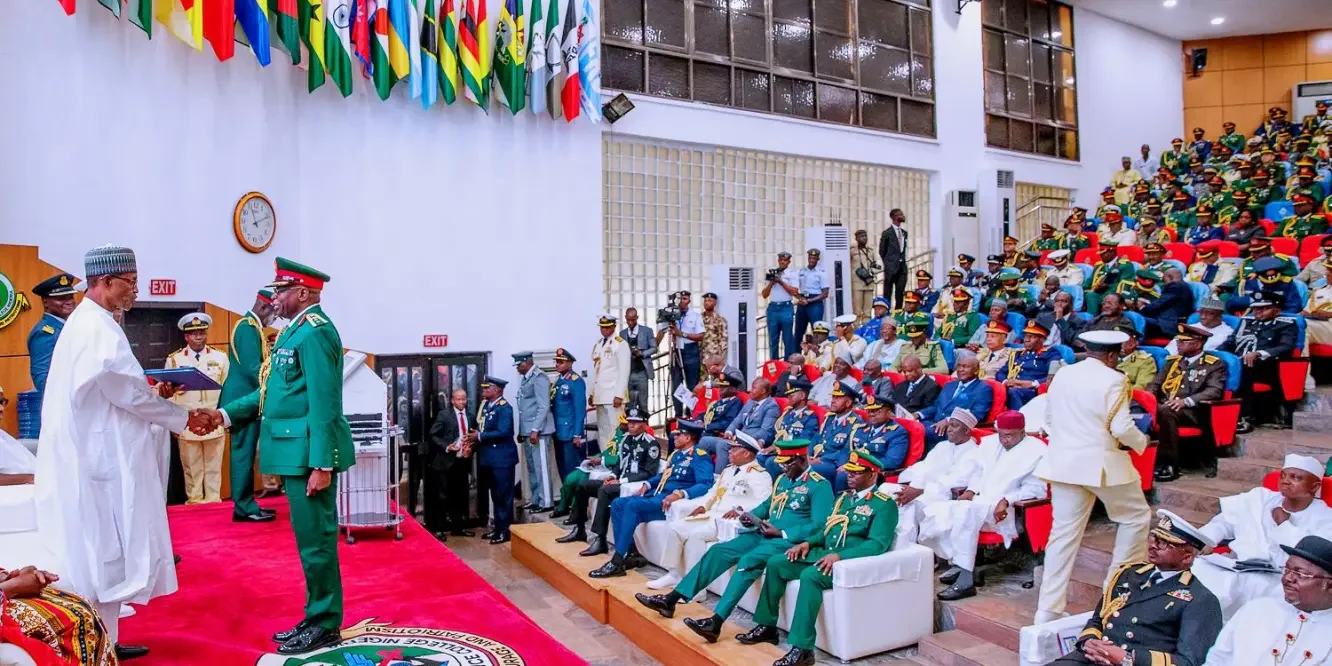
Using Claude and advanced AI prompting techniques, I synthesized 11 source documents into a comprehensive intelligence brief for defense contractor executive leadership evaluating a Nigeria headquarters decision. The same research and synthesis methodology has helped nonprofits across America gain a competitive edge.
The sixty-page document below illustrates the point. Nigeria presents a paradox for defense contractors: it is simultaneously one of the most strategically compelling and operationally hazardous markets in sub-Saharan Africa. Its defense budget has grown to approximately $3.9 billion (2026), it faces active multi-theater insurgencies generating urgent demand for advanced military capabilities, and it occupies the geopolitical fulcrum of U.S.–China competition in West Africa
Intelligence Brief:
Competitor Landscape Analysis
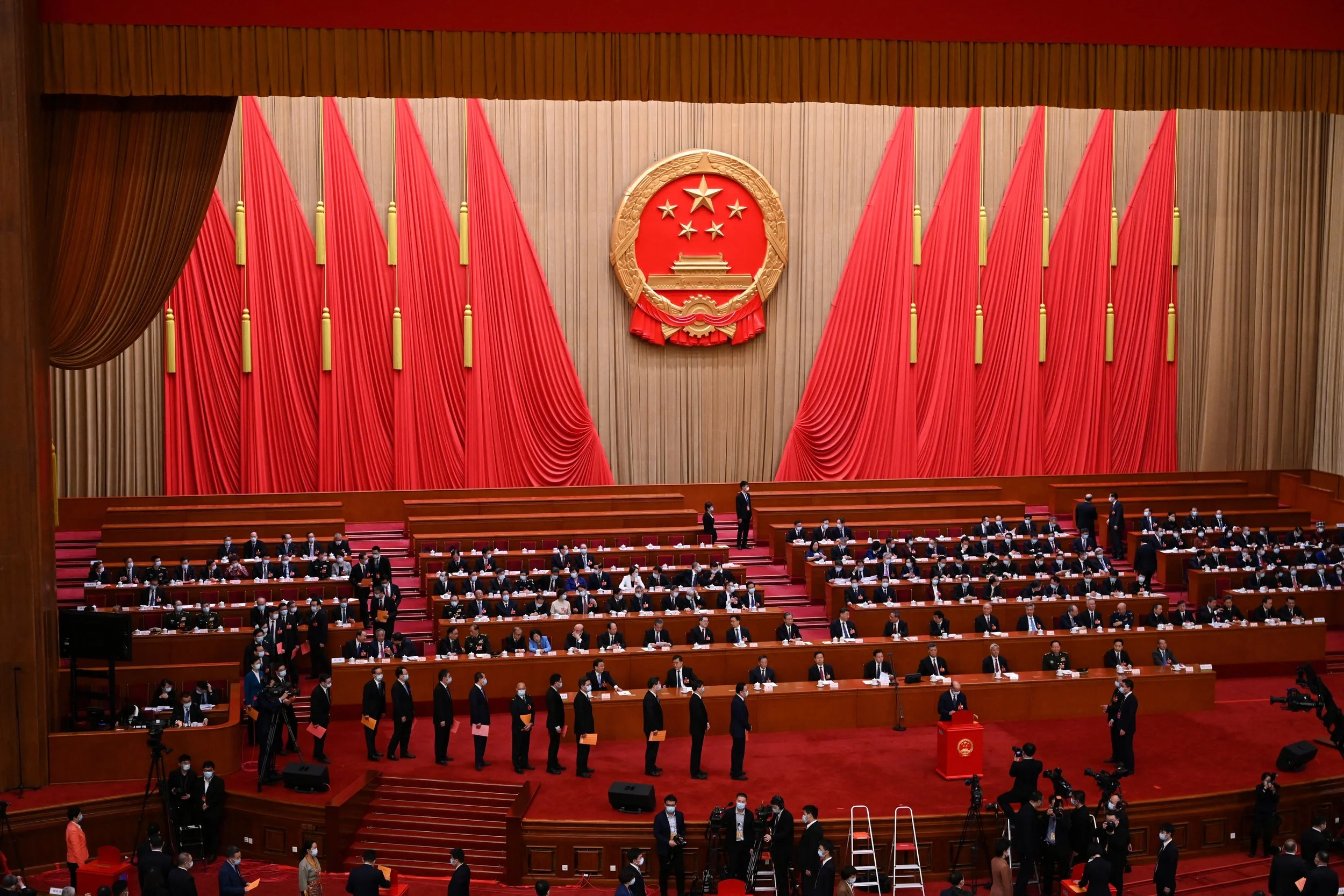
This brief examines the competitive landscape NordicOps faces in Nigeria — not only from corporate rivals but from strategic competitors like China and Russia whose defense engagement is reshaping the market. Understanding this adversarial environment is critical to any market entry decision.
Intelligence Brief:
Supply Chain and Logistics Assessment

Nigeria’s supply chain and logistics environment presents one of the most challenging operating landscapes for a defense contractor globally. Port inefficiencies cost businesses an estimated $8–10 billion annually.
Intelligence Brief:
Summary
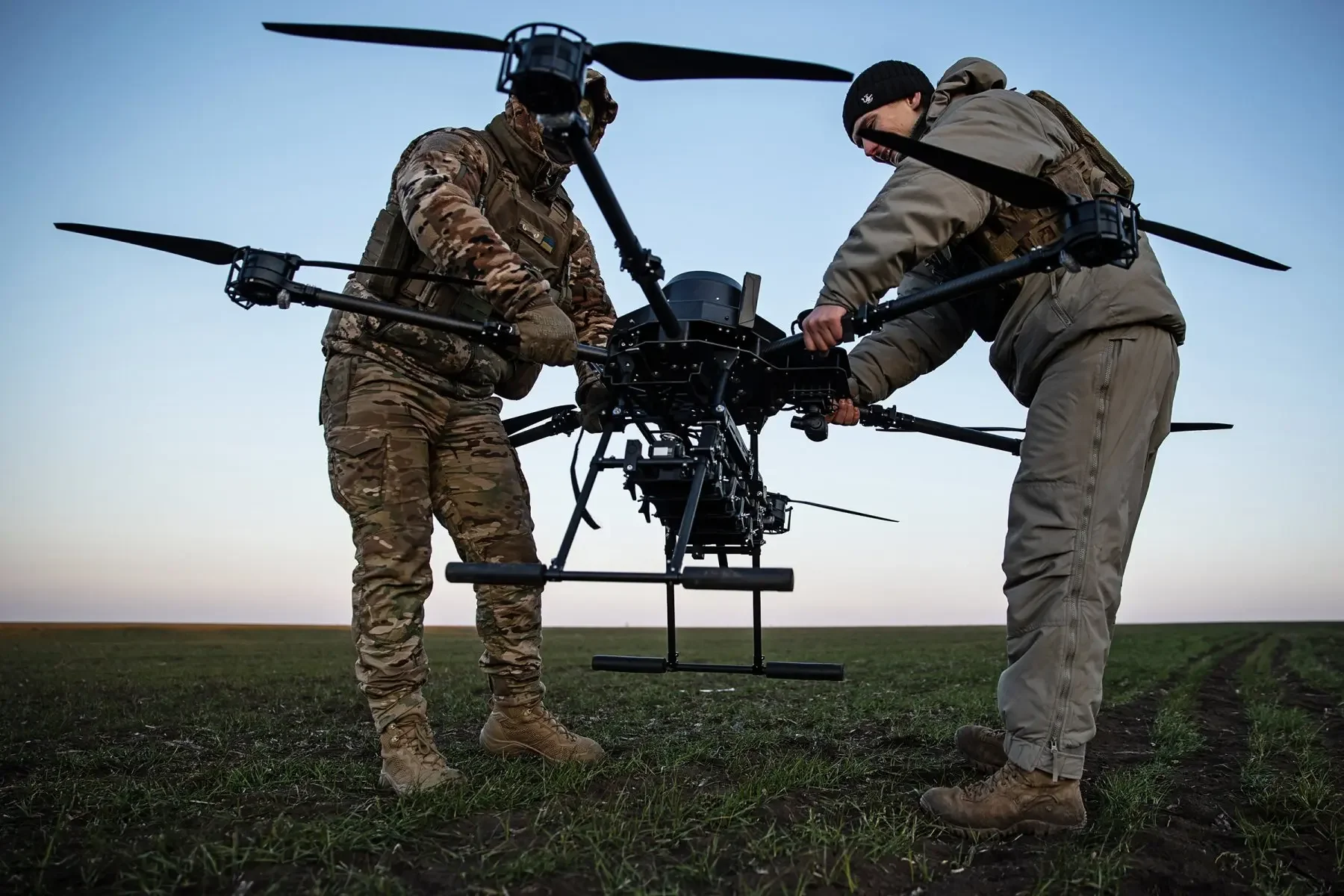
While NordicOps is a hypothetical company, the intelligence assessment is built entirely on real-world data and forecasts real-world consequences for a defense contractor establishing operations in Nigeria. The same analytical techniques work for any organization seeking a strategic advantage — AI, when paired with the right methodology, can produce comprehensive assessments that drive informed decision-making.